AI in Business

Can AI Design a Better Ad? A New Study Puts It to the Test
Researchers fine-tuned an AI image generator on real consumer reactions and found its ads often matched or beat human-made ones, except when a product needed to stand out through surprise.

Why salaried jobs might handle AI differently than hourly ones
A new working paper models what happens when workers enjoy their tasks enough to work on them unpaid. The result reshapes how firms choose what to automate and warns that payroll data alone can obscure very different jobs.

Adding a human to oversee AI doesn’t automatically build trust, study finds
A study of AI-generated investment reports finds that labeling content as "human-supervised" can lower trust. What builds credibility is a subtler inference: the sense that someone competent actually reviewed the work before you saw it.

Generative AI in B2B sales: A study of five companies finds a clear division of labor
A new study distinguishes between two kinds of sales creativity: the recombinational work generative AI can enhance, and the contextual judgment that stays fundamentally human.
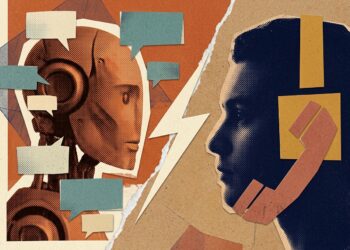
The generative AI apology: better than a human’s, sometimes
New research finds generative AI outperforms human agents at handling minor service failures, but loses its edge when initial fixes fail, unless empathy or compensation is added.

New research shows exactly where virtual avatars fall short of human spokespeople
Virtual influencers can sell excitement about as well as humans can. But when the emotion is gratitude, hope, or pride, digital endorsers fall short, unless audiences already share their values.
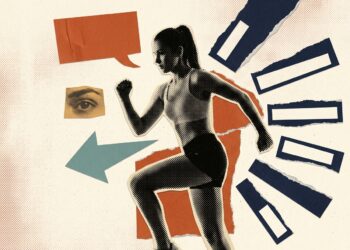
The pronoun trick that makes virtual influencers feel more human
New research finds that virtual influencers seem more human, and more persuasive, when they address audiences directly with "you" instead of narrating personal stories with "I."
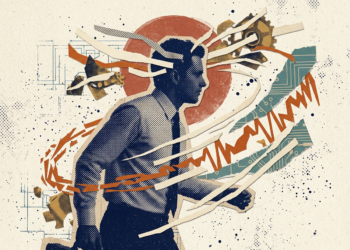
Can generative AI unlock employee creativity? Only with the right psychology, study finds
A study of 580 workers at 116 Chinese B2B firms finds that AI-powered supply chains boost employee creativity, but only when workers also have strong motivation and resilience to handle the technology.
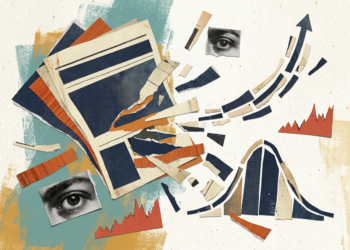
Can AI read the market’s mood? Researchers test DeepSeek sentiment scores against Shanghai stock returns
Researchers used the DeepSeek AI model to score 29,077 Chinese financial headlines, then filtered those scores through prospect theory to test whether the results tracked Shanghai Composite Index returns.

Does admitting a message is AI-written turn customers off? A new study weighs in
A study of 436 consumers finds that human-sounding AI marketing messages tend to boost willingness to buy by building a sense of social presence and trust, and that disclosing the AI's role softens but does not erase the...