Behavioral Finance and Investor Psychology
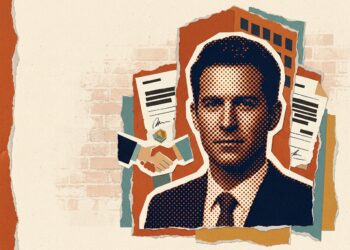
CEO narcissism is linked to value-destroying insider transactions, study finds
A study of more than 4,000 company-years finds that narcissistic CEOs are more likely to pursue insider deals that hurt company performance, and that strong boards can blunt the damage.

How the language of finance shapes its moral reputation
A new experiment finds that jargon-heavy descriptions of financial products make readers view those products as more morally problematic, even when the underlying content is unchanged.
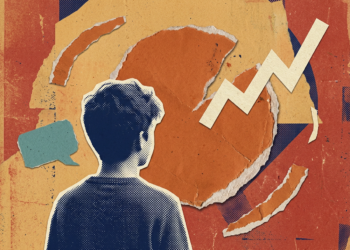
Knowing more about Bitcoin makes investors more anxious, not bolder
A study of young Indonesian crypto investors found that more Bitcoin knowledge was linked to greater anxiety about missing out, and that this anxiety was associated with a lower, not higher, intention to invest.
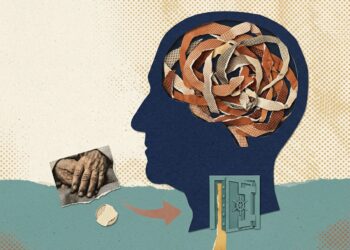
How a regional bank measured the “mental tax” of financial decisions
A field experiment with 600 elderly bank customers in China tested whether AI-generated messages could reduce the mental effort of financial decisions, cutting fraud transfers and boosting safe-product adoption.
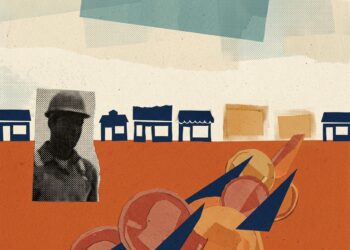
Minimum wage hikes don’t crush small business profits, tax-records study finds
A study using the universe of U.S. tax returns finds independent businesses absorb minimum wage hikes through higher revenue, not layoffs or lower profits, while fewer new firms enter the market.

Researchers tested whether peer pressure drives debt. The answer was messier than expected.
A lab experiment designed to untangle why peers influence borrowing found the opposite of what researchers expected: when choices were public, high performers spent less, not more, leaving money on the table.
Personality beats knowledge as a predictor of crypto investment, study finds
A survey of 460 university students in Pakistan found that personality traits predicted cryptocurrency investing better than tested financial knowledge did, with openness and extraversion linked to participation and conscientiousness linked to caution.

Why some people can’t stop working, even when they want to
A study of 43 professionals who can't stop working traces the habit back to childhood. Researchers find that an internalized "doer" identity, built to survive early demands, can quietly generate the very distress people suffer at work.

Your financial planner has biases too, and they may shape what you hear about your house
A survey of 479 Canadian financial planners finds that their own behavioral biases, especially mental accounting and herding, are linked to how they rank retirement income options, including whether they would recommend tapping home equity.

Coffee shop calorie labels shift beliefs but not behavior, study finds
A study tested whether printing calorie counts on coffee shop menus changes what people order. The labels shifted beliefs and improved calorie knowledge, but did not significantly change what participants chose to buy.