Behavioral Finance and Investor Psychology

What three “dark” personality traits reveal about how people handle money
A study of 1,550 adults examined how three "dark" personality traits relate to money habits and financial well-being, finding distinct patterns for Machiavellianism, narcissism, and psychopathy, though the links were modest in strength.

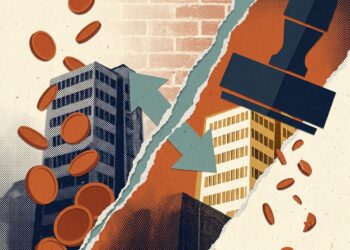
The hidden cost of a mansion tax: How Los Angeles may be losing much of what it collects
Los Angeles taxed pricey property sales to fund housing. New research finds the tax cut sales roughly in half, quietly erasing about 80 percent of the revenue through lost future property taxes.
When doing good becomes a cost: India’s CSR mandate and the hidden hit to stock returns
A study of 2,017 Indian companies finds that firms forced to spend on CSR under a 2014 mandate saw stock returns fall relative to unaffected firms, with spending more than required offering no reward.

Fewer than 4 in 10 investors use this fraud safeguard. New research explains the gap
Fewer than 38 percent of U.S. investors name a "trusted contact" for their accounts. A new study finds financial knowledge boosts sign-ups, but only where people already trust their communities.
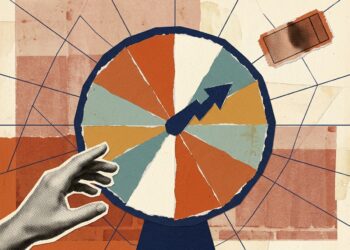
People prefer prizes that could have been worse, study finds
Seven experiments with 12,000 participants show people prefer prizes that emerged from uncertainty over identical prizes given outright, apparently because mystery draws prompt mental comparisons to worse alternatives that could have happened.

When retirement feels out of reach: The health toll of working out of necessity
A six-year analysis of more than 5,000 older U.S. workers finds that 77% wanted to retire but felt they couldn't, and that "job lock" is linked to notably worse mental and self-rated health.

Do the rich spend less time on money? A new study says the opposite
Americans spend just 8.3 minutes a day on financial chores, yet rank them among the least enjoyable parts of daily life. A new study maps who spends that time and who feels the strain most.

Seven decades of stock forecasts reveal a hidden divide between sophisticated analysts and everyday investors
MIT economists digitized 70 years of Value Line forecasts and found that sophisticated analysts and individual investors hold opposing views about future stock returns, with disagreement tracking trading volume.

When crypto traders are feeling optimistic, they pay less attention to the economy
A study of minute-by-minute crypto trading finds that prices and volume react instantly to U.S. economic reports, but that bullish investor sentiment tends to mute those reactions, weakening return responses by about 16 percent.

Shoppers hate skimpflation more than shrinkflation, new research finds
Across ten experiments, shoppers judged quality-cutting more harshly than shrinking packages or raising prices, and were less willing to buy reformulated products — especially when the original experience couldn't be recovered.