Psychology of Selling and Marketing

Shoppers hate skimpflation more than shrinkflation, new research finds
Across ten experiments, shoppers judged quality-cutting more harshly than shrinking packages or raising prices, and were less willing to buy reformulated products — especially when the original experience couldn't be recovered.

Can AI Design a Better Ad? A New Study Puts It to the Test
Researchers fine-tuned an AI image generator on real consumer reactions and found its ads often matched or beat human-made ones, except when a product needed to stand out through surprise.

When “Eight” beats “8”: How spelled-out numbers change flavor expectations
New research finds that numbers in food and drink brand names raise taste expectations, with written-out numbers like "Two" outperforming digits, and back-vowel numbers evoking richer flavor profiles than front-vowel ones.

A good brand match does more for fake influencers than real ones
New research finds that brand fit boosts engagement differently for human and computer-generated influencers. For virtual personas, a good match works mainly by building a sense of authenticity that shoppers might otherwise doubt.

Can criticism be a sign of brand loyalty? A study of gaming communities says yes
Analyzing 23,000 Reddit posts with AI, researchers found video game fans defend their favorite titles more than they praise them, and that harsh criticism often signals deep loyalty rather than disloyalty.
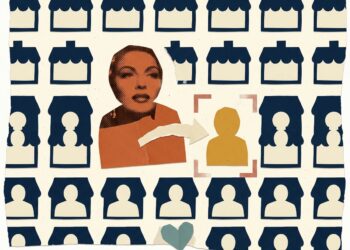
When beauty backfires: Why some shoppers steer clear of good-looking salespeople
New research finds that women in committed relationships tend to avoid strikingly attractive salespeople, choosing plainer-looking staff instead. The pattern held across five studies, complicating the long-held marketing belief that good looks always help close a sale.

The “perfect” AI face may be turning shoppers off
As AI-generated hosts flood shopping livestreams, new research suggests the facial traits humans find beautiful in each other can backfire on machines. A flawless synthetic face may signal fakeness, while subtle asymmetry can boost engagement.
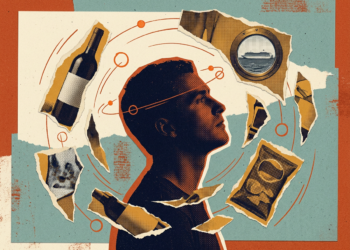
How “mental time travel” turns product images into purchases
New research finds that digital product displays which trigger memories of past experiences lead shoppers to mentally simulate future ones, boosting inspiration, booking intent, and willingness to pay across snacks, cruises, and wine.

Generative AI in B2B sales: A study of five companies finds a clear division of labor
A new study distinguishes between two kinds of sales creativity: the recombinational work generative AI can enhance, and the contextual judgment that stays fundamentally human.
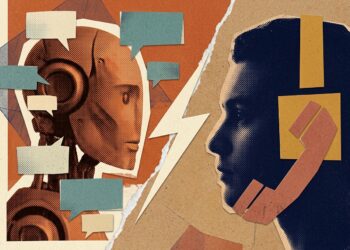
The generative AI apology: better than a human’s, sometimes
New research finds generative AI outperforms human agents at handling minor service failures, but loses its edge when initial fixes fail, unless empathy or compensation is added.