Behavioral Finance and Investor Psychology
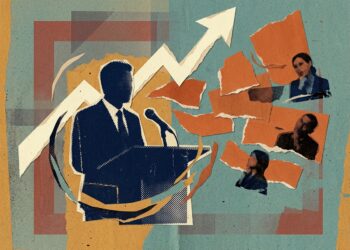
When a CEO sounds upbeat, Wall Street analysts tend to follow, even when they shouldn’t
A study of nearly 200,000 earnings calls finds that the emotional tone of a manager's remarks shapes analyst forecasts, and that responding to that tone tends to make those forecasts less accurate.

When central bank bond-buying pays for itself: A new look at QE’s fiscal scorecard
An IMF team's model finds quantitative easing typically improves the government's overall fiscal position, even when central banks take large losses on their bond portfolios. But QE looks riskier in shallow downturns than in deep ones.

When “Eight” beats “8”: How spelled-out numbers change flavor expectations
New research finds that numbers in food and drink brand names raise taste expectations, with written-out numbers like "Two" outperforming digits, and back-vowel numbers evoking richer flavor profiles than front-vowel ones.

How China’s bullet trains quietly fueled its electric car boom
A new study finds that China's high-speed rail network may explain up to a third of the country's electric vehicle boom, by easing the fear of running out of charge on long trips.

Fiscal news becomes inflationary only under one condition, study finds
A survey experiment with 7,000 German firms shows that pessimistic news about French, Italian, and Spanish debt raises inflation expectations, but only among firms that already distrust the ECB.

When a “good economy” feels worse: How economic optimism can deepen a sense of powerlessness
A study of American and Canadian workers finds that for people struggling with money, believing the economy is thriving is linked to feeling more powerless, not less.

When kids pick between gambles, what looks like risk aversion is often something else entirely
A study of 2,204 Chinese fifth graders finds that IQ and personality traits shape economic choices mainly by affecting deliberation noise and guessing, not preferences directly. Accounting for this reverses conventional findings about gender and risk aversion.
Early career stability is linked to savings and homeownership, even after accounting for income
A UK study finds that a steady start in the labor market is linked to owning a home and building savings by age 32, and that family wealth tends to amplify those gains for people who already started...

Optimism about student loan forgiveness led to real spending shifts, new research finds
A new NBER working paper finds student loan borrowers who believed forgiveness was coming paid less on their loans and spent more elsewhere — and those who bet wrong on the payment pause were more likely to end...

Adding a human to oversee AI doesn’t automatically build trust, study finds
A study of AI-generated investment reports finds that labeling content as "human-supervised" can lower trust. What builds credibility is a subtler inference: the sense that someone competent actually reviewed the work before you saw it.