Behavioral Finance and Investor Psychology
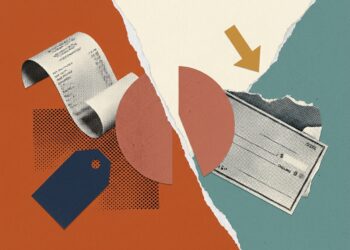
Did voters punish inflation or pay cuts? A county-by-county look at the 2024 election
A new working paper finds that falling real wages, not inflation itself, tracked with Republican gains in 2024. Once wages are accounted for, high-inflation counties actually shifted less toward Trump.

Can criticism be a sign of brand loyalty? A study of gaming communities says yes
Analyzing 23,000 Reddit posts with AI, researchers found video game fans defend their favorite titles more than they praise them, and that harsh criticism often signals deep loyalty rather than disloyalty.

What a brainwave headset revealed about why some traders make money and others don’t
Researchers put wearable EEG headsets on 16 professional day traders during real, high-stakes trading. Brief spikes in neural engagement before a trade predicted better outcomes; steady all-day alertness did not.
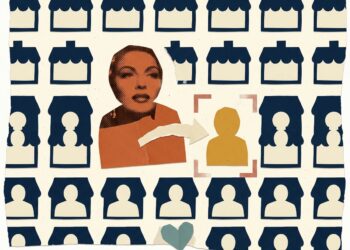
When beauty backfires: Why some shoppers steer clear of good-looking salespeople
New research finds that women in committed relationships tend to avoid strikingly attractive salespeople, choosing plainer-looking staff instead. The pattern held across five studies, complicating the long-held marketing belief that good looks always help close a sale.

A Chicago economist links decades of interest-rate movements to public memory
A working paper finds that decades-long swings in real interest rates across the U.S., Germany, U.K., and Japan track slow-moving inflation expectations shaped by what people have personally lived through.
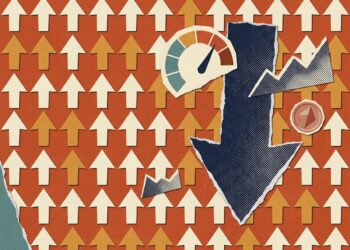
The traders betting against Bitcoin, and what their moves reveal
New research on spot Bitcoin ETFs finds that short sellers pile in when crypto optimism peaks and can briefly predict falling prices, though their edge fades within five trading days.

Marriage affects women’s business ownership differently across cultures
A study of more than 142,000 people finds that marriage widens the gender gap in self-employment most in cultures comfortable with risk-taking, and barely adds to it in cultures that prize predictability.

A woman’s layoff delays a first child, a man’s delays the second, study finds
A Norwegian study of plant closures finds job loss reshapes family plans in gendered ways: a woman's layoff delays first births, while a man's layoff cuts the odds of a second child.

The surprising difference between how couples handle equal income versus equal wealth
A study of nearly 14,300 German couples finds that income equality is linked to separate finances mainly in the West, while wealth equality pushes couples toward pooling in both regions.

How “mental time travel” turns product images into purchases
New research finds that digital product displays which trigger memories of past experiences lead shoppers to mentally simulate future ones, boosting inspiration, booking intent, and willingness to pay across snacks, cruises, and wine.