Behavioral Finance and Investor Psychology
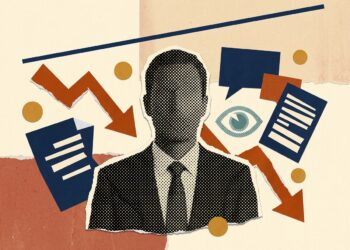
When Wall Street sours on swagger: How CEO narcissism shapes analyst stock ratings
Securities analysts issue lower stock recommendations for companies led by narcissistic CEOs, according to a new study of S&P 100 firms — though a strong corporate reputation softens the effect.

When “limited stock” beats “almost sold out”: What drives impulse buying of blind boxes
A new study finds that "limited edition" tends to spark stronger impulse buying of blind boxes than "selling out fast," but which message works best depends on the shopper's mindset.

Persistent money trouble tied to later depression in students, study finds
A national Norwegian study followed more than 10,000 students and found that persistent money troubles predicted depression a year later, though much of the link was tied to distress students already carried.
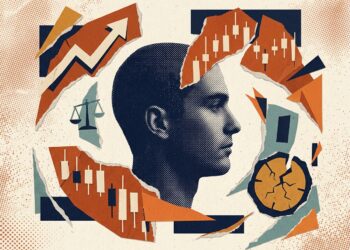
Emotionally intelligent investors may be better at resisting their own biases
New research from Indian stock investors suggests emotional intelligence can weaken the grip of confirmation bias on financial decisions, while risk perception and herd behavior remain strong influences.
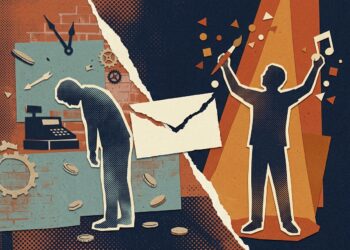
Do artists work less when handed free money? This study says no
When 2,400 New York artists received $1,000 a month with no strings attached, they spent more hours on creative work and fewer on outside jobs, even as their market earnings fell. A look at what the experiment revealed.

When the weight comes off: what GLP-1 drugs reveal about the penalty women pay for body size
A Harvard economist used the rapid uptake of GLP-1 weight-loss drugs to ask where body weight matters for women. The answer, her analysis suggests, is mostly at first impressions: new relationships and new jobs.
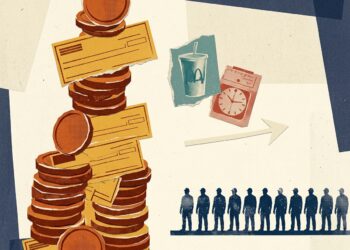
New study finds California’s fast-food wage hike lifted pay without cutting employment
California's $20 fast-food minimum wage was predicted to wipe out jobs. A new working paper finds pay rose about 7 percent while employment barely changed, with quits falling sharply at covered chains.
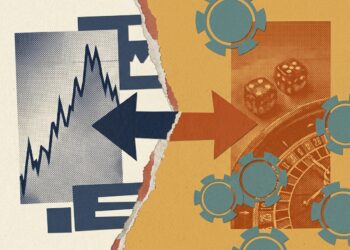
Do volatile stocks make people trade like gamblers? A new experiment says yes
A controlled experiment with 604 gamblers found that more volatile stock prices led to significantly more trading, with the effect strongest among low-risk gamblers often overlooked by harm-prevention efforts.

Why a bad memory can make you fear higher inflation
A survey experiment on more than 4,000 Dutch households found that prompting people to recall a personal hardship, even one that revealed nothing about the economy, pushed their inflation and home-price forecasts higher.
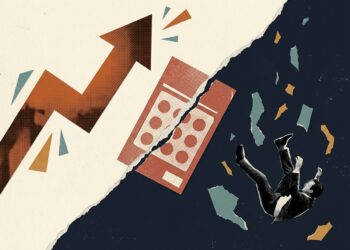
Can lottery-like stocks actually boost momentum returns? A six-decade study says yes
Lottery-like stocks usually disappoint investors. But a new study finds that pairing them with a momentum strategy flips the script, producing returns far above the standard approach, mostly because the losers crash harder.