Psychology of Leadership and Management
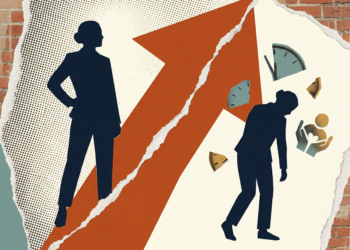
It’s not being a woman that hurts your promotion odds. It’s part-time work and caregiving
A study of 1,373 German employers found that gender itself barely affected promotion decisions. What dragged candidates down was working part-time and having caregiving duties, penalties that fall hardest on women.

When employees can’t be themselves at work, they turn on their employer
New research across six studies finds that employees who feel unable to be themselves at work develop cynical views of their employer's integrity, and act on those views in ways that can spread.
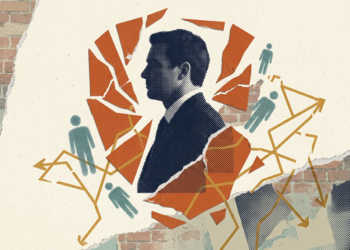
New study finds narcissistic CEOs quietly derail their firms’ global ambitions
A study of 248 Vietnamese small firms finds that CEO vision, digital tools, and team alertness drive international B2B growth, while narcissistic leadership disrupts the collaborative thinking that cross-border relationships require.

New study blames authoritarian bosses for the quiet quitting trend
A survey of 363 Chinese SME employees links authoritarian leadership to quiet quitting through burnout, with pressure to work while sick amplifying the effect.
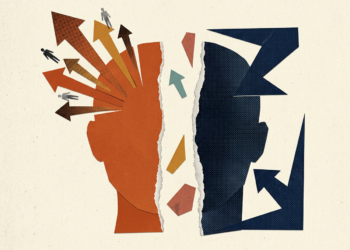
Two faces of the narcissistic boss: how a leader’s self-image shapes team initiative
A study of 100 teams finds that a leader's self-promoting narcissism tends to spark team initiative, while their defensive, rivalry-driven narcissism tends to suppress it, especially in teams that defer to authority.
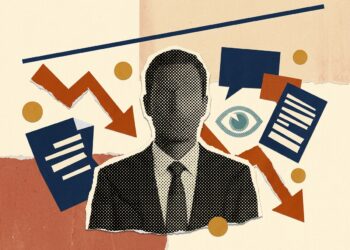
When Wall Street sours on swagger: How CEO narcissism shapes analyst stock ratings
Securities analysts issue lower stock recommendations for companies led by narcissistic CEOs, according to a new study of S&P 100 firms — though a strong corporate reputation softens the effect.

When the boss is a narcissist, employees may start bending the rules
A study across two South Korean surveys finds that narcissistic leaders tend to create workplace uncertainty, which is linked to more employee cheating, especially among workers with greater job autonomy.

The hidden cost of chasing quotas in business-to-business sales
A study of 227 business-to-business salespeople finds that a manager's fixation on the bottom line tends to spread to their team, but a salesperson's moral values and a higher share of fixed pay appear to protect customer relationships.

Do dark personality traits help workers survive a toxic boss?
A new study finds that workers high in "dark" personality traits tend to fare better on well-being and advancement under a toxic boss, but still want to quit just as much as everyone else.
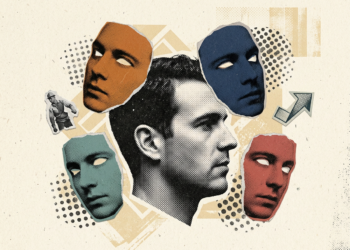
The four faces of a narcissistic boss, and how each one shapes your work life
A study of 442 German employees finds that "narcissistic boss" is too blunt a label: charm boosts engagement, rivalry erodes it, and a withdrawn leader may unexpectedly leave staff feeling more engaged, not less.