Psychology of Selling and Marketing

Do 10-second ads work? A study finds shorter can mean stickier
Do 10-second commercials actually work? A study tracking website traffic second by second finds micro ads tend to drive more immediate clicks than longer spots, with viewer impatience offered as a likely explanation.
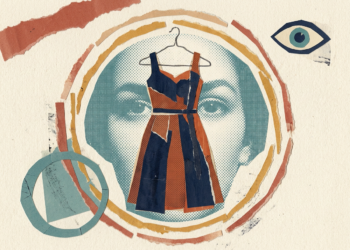
The “halo effect”: The face in the photo shapes your opinion of the outfit
Four studies suggest an attractive model's face quietly raises how positively we rate the clothes they wear, an effect that persists even when we are told to focus only on the garment.

What makes a salesperson persuasive? A survey explores how communication skills shape buying decisions
A survey of 100 consumers in Malaysia finds that communication skills strongly shape trust, satisfaction, and willingness to buy, but 70% report feeling pressured by salespeople.

Consumers can spot marketing tactics, but that awareness only blocks about half of advertising’s persuasive power
Consumers who recognize marketing tactics are only about half as protected as you might think. A meta-analysis of 148 studies reveals the real limits of persuasion awareness.

Does admitting a message is AI-written turn customers off? A new study weighs in
A study of 436 consumers finds that human-sounding AI marketing messages tend to boost willingness to buy by building a sense of social presence and trust, and that disclosing the AI's role softens but does not erase the...

That “helpful” gift might backfire: self-improvement presents lead to bad reviews, study finds
New research finds that self-improvement gifts hurt recipients' feelings, prompting lower star ratings and negative word of mouth. But retailers have options to reduce the damage.
The hidden language of packaging and why shoppers grant their approval
A study of cosmetics shoppers in Tanzania examines how a package's color, images, text, and logo shape whether buyers see a product as authentic, and how that sense of authenticity tends to influence their approval of the brand.

Screens on shopping carts nudge shoppers to spend more, even on items that aren’t on sale
A field study of more than 1,200 grocery shoppers finds that digital ads on smart shopping carts raise total spending by nearly 15 percent, with surprising spillover to products that weren't advertised.

What makes millennials engage with fashion influencers on Facebook?
A study of 252 millennials suggests that fun and trust, more than product facts, drive engagement with fashion influencers on Facebook. A felt sense of closeness to the influencer did much of the work.
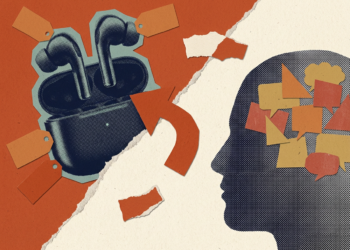
What 508 shoppers and a fake earphone deal reveal about deceptive ads
A new study finds that shoppers who think they know a lot, but actually don't, may be the most likely to fall for too-good-to-be-true deals, and that generous return policies can make the trap worse for beginners.