Psychology of Selling and Marketing

A surprising pattern in corporate borrowing shows up in annual report text
A large study of U.S. public firms finds that companies with more complex disclosures borrow more, especially when they face tight financial constraints, reshaping how we think about capital structure.
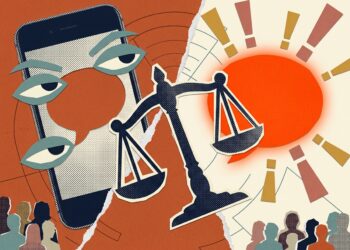
Why we believe bad news about brands on social media, even when we don’t trust the platform
People say they don't trust social media for news, yet viral brand scandals still cause real damage. New research points to a specific trigger that overrides that skepticism.

Classical music raises the ceiling on indulgent purchases, study finds
A new study finds classical music can raise the top price shoppers will pay, but mostly for indulgent treats and when listeners feel pleasure. For everyday necessities, the genre barely moves the needle.
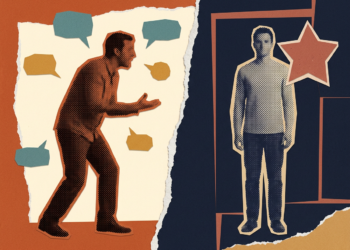
The reviewers most eager to share may persuade you least
New research suggests the reviewers most confident in their own persuasiveness may write the least convincing reviews, because readers find their certainty less likable.

Should retailers charge the same price everywhere? A natural experiment offers clues
A study of 4,150 products at a major retailer finds that switching to one consistent price across online and physical stores hurts sales at first, then pays off, driven by a loyal minority of shoppers.

The salesperson traits that decide whether loyalty becomes revenue
A study of 502 financial advisors and their clients finds that quirky and creative salespeople turn customer loyalty into revenue more effectively, while blunt ones tend to squander it.

When “limited stock” beats “almost sold out”: What drives impulse buying of blind boxes
A new study finds that "limited edition" tends to spark stronger impulse buying of blind boxes than "selling out fast," but which message works best depends on the shopper's mindset.

Do eco-friendly hotels actually win customer loyalty? New research offers an answer
New research finds that when hotel customers believe climate claims are genuine, they become more engaged with climate change and more loyal to the hotel.
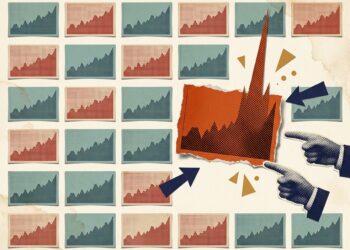
Lottery-like stocks dominate Reddit investing forums, new research shows
A study of millions of Reddit posts finds that retail investors disproportionately discuss stocks with extreme recent returns, matching predictions from a decades-old psychology theory about how people evaluate risk.

New research maps how dense partnership networks can undermine product innovation
A study of Dutch companies finds that innovation follows an inverted-U curve with network density, and cognitive distance between partners changes everything.