Psychology of Selling and Marketing

A new study explains why confident salespeople sometimes underperform
A study of 145 salesperson-supervisor pairs finds that a salesperson's self-confidence boosts their ability to adapt only when it sparks genuine motivation, and that this chain reaction works mainly in highly competitive markets.
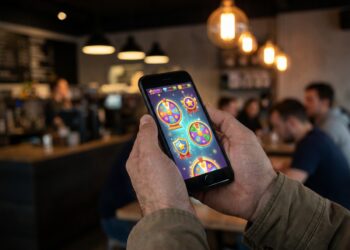
The words brands use in marketing games can shape how consumers feel about them
New research examines how the language brands use in gamified marketing campaigns may shape consumer attitudes, and why feeling close to a brand could amplify the effect.

Coffee shop calorie labels shift beliefs but not behavior, study finds
A study tested whether printing calorie counts on coffee shop menus changes what people order. The labels shifted beliefs and improved calorie knowledge, but did not significantly change what participants chose to buy.

Do small gestures on a restaurant check boost tips in Turkey the way they do in America?
Three field experiments in Istanbul tested whether classic American tipping tricks, like writing "thank you" or drawing a smiley on a check, work in a non-WEIRD setting. They did, but Turkish tips ran far smaller overall.

Packing products tightly on shelves makes shoppers grab more flavors
Four experiments find shoppers pick a wider mix of products when items sit close together on display. The pattern traces back to how spacing shapes visual attention.
How AI is rewriting the marketer’s playbook, according to a wide-ranging literature review
A literature review of more than 200 publications maps how AI is being woven into marketing, from programmatic advertising to churn prediction, and where adoption still stalls.

The Goldilocks zone of sales pressure: Why a little urgency helps and too much hurts
New research across two retail field studies finds that moderate time pressure boosts sales performance while excessive pressure drags it down, with managerial feedback, mentoring, and meetings softening the damage.

What women really want from “girl power” ads: Six ingredients that make femvertising work
New research identifies six distinct qualities women use to judge gender-equitable advertising, and shows how those perceptions translate into loyalty and advocacy.
The seductive allure of neuroscience: Why brain talk feels so satisfying, even when it explains nothing
A meta-analysis of 60 experiments finds that adding irrelevant neuroscience to explanations reliably boosts how satisfying they feel, but rarely changes what people actually believe.

When two heads aren’t better than one: What research reveals about human-AI teamwork in marketing
A meta-analysis of 132 experiments finds that adding AI to marketing workflows reliably improves human performance, but human-AI teams rarely outperform capable AI systems working alone.