Psychology of the Workplace
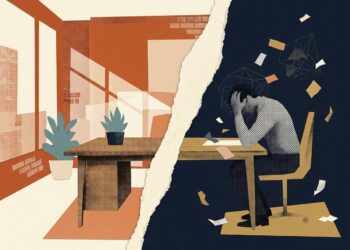
New study: A gorgeous office won’t make you more productive, but you’ll think it will
New research finds that people expect to be more productive in aesthetically appealing offices, but their actual performance on cognitive tasks doesn't back up the belief.

New research links return-to-office mandates to leader narcissism
Three studies suggest narcissistic bosses resist remote work more than others, driven by their desire for power and admiration that in-person offices supply more readily than video calls.
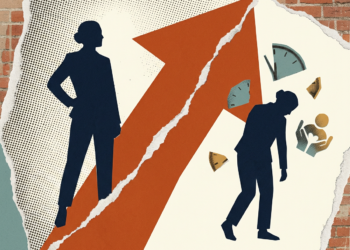
It’s not being a woman that hurts your promotion odds. It’s part-time work and caregiving
A study of 1,373 German employers found that gender itself barely affected promotion decisions. What dragged candidates down was working part-time and having caregiving duties, penalties that fall hardest on women.

When employees can’t be themselves at work, they turn on their employer
New research across six studies finds that employees who feel unable to be themselves at work develop cynical views of their employer's integrity, and act on those views in ways that can spread.
The overlooked reason customer collaboration pays off
A survey of 301 U.S. managers finds that value co-creation improves firm performance partly by making employees feel more respected — but heavy knowledge-sharing may weaken that effect.
Why inclusive sales teams may quietly boost the bottom line, especially for newcomers
New research on 274 B2B salespeople links diverse and inclusive workplaces to lower anxiety, better mental health, and stronger sales performance, with the benefits landing hardest on early-career salespeople.
What makes a B2B salesperson resilient? Six factors identified
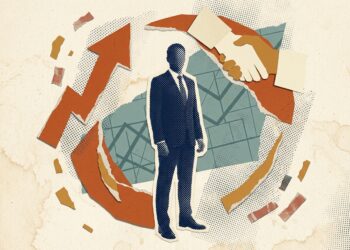
A survey of 469 B2B salespeople finds that resilience is linked to a greater ability to juggle service and selling, with the effect strongest under pressure from demanding customers.

Dark personality traits, work alienation, and the urge to quit
A study of 392 Iraqi bank employees links dark personality traits to the urge to quit, finding that a feeling of disconnection from work helps explain the pull toward the exit.
Why women inventors hit a wall when their ideas break the mold
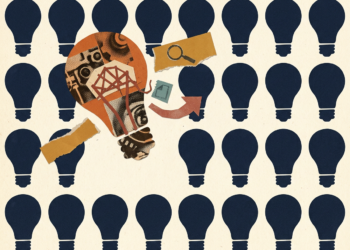
A study of 6.2 million patent applications finds the gender gap in patenting is concentrated in unconventional inventions, and traces it to examiner experience and assignment practices rather than reviewer bias.
Can generative AI unlock employee creativity? Only with the right psychology, study finds
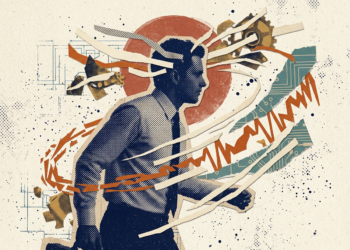
A study of 580 workers at 116 Chinese B2B firms finds that AI-powered supply chains boost employee creativity, but only when workers also have strong motivation and resilience to handle the technology.