Psychology of the Workplace

Remote work boosts well-being and retention without sacrificing connection, new research suggests
A new study of healthcare employees reveals that remote work does not isolate workers. Instead, flexible arrangements are linked to higher well-being, which in turn reduces the likelihood of employee turnover.

Researchers pinpoint what remote work takes away that offices provide
Two experience sampling studies of hybrid workers found that remote days bring less coworker small talk, less relational energy, and lower feelings of belonging and being valued. Informal check-ins during virtual meetings softened the effect.

When retirement feels out of reach: The health toll of working out of necessity
A six-year analysis of more than 5,000 older U.S. workers finds that 77% wanted to retire but felt they couldn't, and that "job lock" is linked to notably worse mental and self-rated health.

The hidden asymmetry in how coworkers respond to each other’s feelings
New research finds employees rarely acknowledge their boss's emotions, but when they do, bosses reciprocate with more attentive responses to the team, and performance rises.
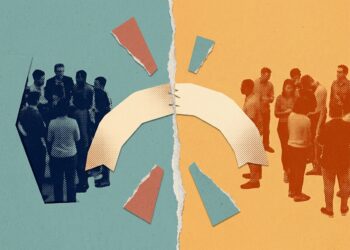
When teams split into cliques, this leadership style may help them get creative again
When a team has splintered into cliques, a lab study using an escape room suggests that leaders who stress relationships and shared identity, rather than tasks and goals, may help members share ideas and get creative again.

Why salaried jobs might handle AI differently than hourly ones
A new working paper models what happens when workers enjoy their tasks enough to work on them unpaid. The result reshapes how firms choose what to automate and warns that payroll data alone can obscure very different jobs.
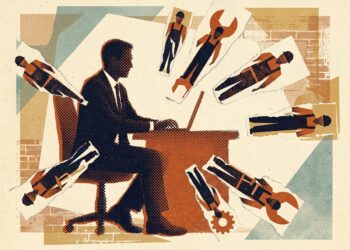
Why some managers treat employees as instruments, according to a new study
Why do some bosses treat employees like tools? A two-study investigation offers evidence that a supervisor's self-image shapes their tendency to objectify workers, and whether that view turns into controlling leadership.

One office day a month? A remote-work experiment finds surprisingly large gains
A randomized trial at a Turkish call center finds that bringing fully remote workers together just one day a month raised productivity by 7.8 percent, cut attrition by a third, and returned about five dollars for every dollar...
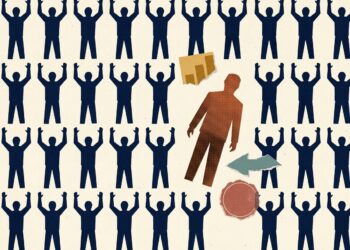
The wrong people are raising their hands for management jobs, a new study suggests
A large study finds that people eager to become managers often perform worse than those chosen at random, and that a specific decision-making skill predicts management success in both the lab and a real retail chain.

Feeling inauthentic at work may drive after-hours drinking, study finds
New experience-sampling research on service workers finds that faking emotions at work is linked to feelings of inauthenticity, which motivate deliberate drinking to cope, especially among those who believe alcohol relieves stress.