Psychology of the Workplace
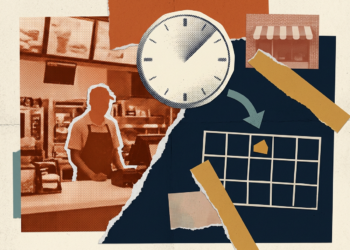
California’s $20 fast-food wage: mobile phone data reveals staffing cuts started before the law took effect
Mobile phone location data suggests California fast-food restaurants cut on-site staffing by about 8 percent after the $20 wage was announced, with reductions starting months before the law took effect.
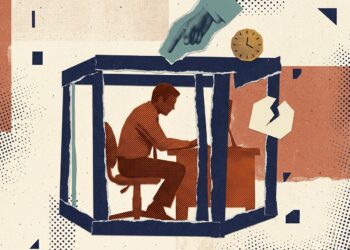
New study blames authoritarian bosses for the quiet quitting trend
A survey of 363 Chinese SME employees links authoritarian leadership to quiet quitting through burnout, with pressure to work while sick amplifying the effect.
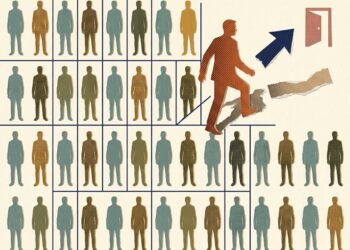
Three types of older jobseekers, three very different odds of getting hired
A study of more than 1,000 French jobseekers over 45 found three distinct types. The most employable group got the fewest interviews but the most job offers, thanks to a focused, selective search strategy.
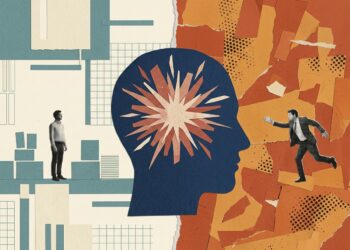
A study asked what makes Gen Z employees adaptable. Here’s what it found
A study of 270 young workers finds that creativity and problem-solving predict workplace adaptability better than memory or attention, with the most useful skills shifting between start-ups and established firms.
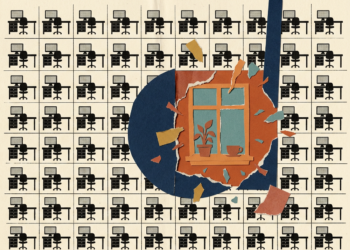
Why some countries embraced remote work and others didn’t
A survey of 14,427 workers across 37 countries finds that cultural individualism explains 29 percent of the variation in remote work rates, more than industry mix, GDP, density, or lockdown severity combined.

The economics of getting noticed: what a Twitter experiment revealed about academic hiring
A field experiment on Twitter found that when prominent economists shared job candidates' papers, the work drew far more attention and candidates landed more campus visits, with women seeing a notable rise in job offers.
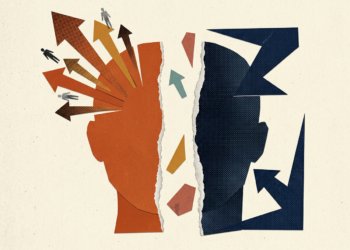
Two faces of the narcissistic boss: how a leader’s self-image shapes team initiative
A study of 100 teams finds that a leader's self-promoting narcissism tends to spark team initiative, while their defensive, rivalry-driven narcissism tends to suppress it, especially in teams that defer to authority.
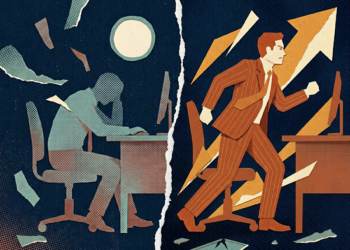
The unexpected link between narcissism, perfectionism, and boredom at work
A study of 210 Hungarian workers expected boredom to make narcissistic employees disengage. Instead, those high in grandiose narcissism reported pushing toward higher standards when bored, hinting that monotony can act as a motivator.

The way you use AI shapes how you feel about your job, new study shows
A new experiment finds that passively copying AI-generated content can lower workers' confidence and sense of meaning, while drafting first and using AI to refine preserves their connection to the work.

When you don’t know your work schedule, your happiness may pay the price
A new study finds that unpredictable and unstable work schedules are linked to lower happiness, with an effect that can rival or exceed the link between wellbeing and family income.